Payroll is one of the most important responsibilities of any business. Employees expect
their salaries to be accurate and on time, while employers need to manage attendance,
deductions, taxes, government contributions, reports, and payroll records efficiently. As a
company grows, however, processing payroll manually can become increasingly difficult.
For many Philippine businesses, spreadsheets and manual calculations may work at first. But
as employee numbers increase, payroll becomes more complex. More employees mean more
attendance records, overtime, deductions, salary adjustments, and payroll transactions to
review. This is where payroll automation can help businesses create a more efficient and
organized payroll process.
Why Manual Payroll Becomes Difficult as a Business Grows
Manual payroll requires HR and accounting teams to perform many repetitive tasks every payroll period. Employee information may need to be updated across different files, attendance records may need to be checked manually, and payroll calculations may need to be reviewed before salaries can be finalized.

These processes can become especially challenging when a company has multiple departments, locations,
employee types, or payroll schedules.
Common challenges of manual payroll include:
The larger the workforce becomes, the more difficult it can be to maintain accuracy and efficiency through disconnected spreadsheets alone.
What Is Payroll Automation?
Payroll automation uses payroll software to streamline repetitive payroll processes and calculations.
Instead of manually performing every calculation, businesses can use a centralized system to process
payroll
based on employee information, compensation rules, attendance data, deductions, and other configured
payroll
requirements.
A modern payroll system can help businesses manage processes such as:
The goal is not to remove human oversight from payroll. Rather, automation allows payroll professionals to spend less time on repetitive calculations and more time reviewing results, handling exceptions, and ensuring payroll is processed properly.
Why Payroll Automation Matters for Philippine Businesses
Payroll in the Philippines involves more than simply calculating an employee's basic salary. Businesses
may need to account for different compensation structures, attendance records, deductions, taxes, and
government-related contributions.
Companies may also have employees who are paid using different payroll schedules. For example, one
organization may have monthly employees while another may need to process daily, weekly, or bi-monthly
payroll.
This makes flexibility an important consideration when choosing payroll software in the Philippines.
A payroll platform should be able to support the actual way a business operates rather than forcing
every organization into the same payroll structure.
Key Benefits of Automated Payroll
1. Reduce Repetitive Payroll Work
Payroll teams can spend significant amounts of time entering information, copying data, checking
formulas, and preparing recurring reports.
Automation can reduce these repetitive activities and allow payroll personnel to focus on reviewing
payroll results and resolving exceptions.
2. Improve Payroll Accuracy
Manual calculations can introduce errors, particularly when payroll involves hundreds of employees and
multiple compensation components.
Automated calculations can help reduce errors caused by repetitive data entry and manually maintained
formulas, provided that the system is properly configured and the underlying information is accurate.
3. Save Time During Every Payroll Cycle
Payroll is repeated every pay period. Even a small improvement in processing time can become significant
over the course of a year.
A centralized payroll system can help reduce the amount of time required to gather information,
calculate payroll, generate reports, and prepare employee payslips.
4. Make Payroll Information Easier to Manage
When payroll information is spread across multiple spreadsheets, files can become difficult to track and
maintain.
A centralized payroll platform provides a more organized environment for managing employee payroll
information and generating relevant reports.
5. Support Business Growth
Payroll processes that work for a small team may become increasingly difficult as the company hires more
employees.
Automation gives businesses a more scalable foundation for payroll management without requiring the
payroll team to increase manual work at the same rate as the workforce.

When Should Your Business Consider Payroll Automation?
There is no universal employee count that determines when a business should automate
payroll.
Instead, businesses should look at the complexity of their payroll operations.
It may be time to consider an automated payroll system if:
These are signs that the business may benefit from moving toward a more centralized payroll workflow.
Payroll Software vs. Spreadsheet-Based Payroll
Spreadsheets can still be useful for analysis and specific calculations. The problem arises when
spreadsheets become the primary system responsible for every payroll process.
With spreadsheet-based payroll, teams may need to manually:
Collect → Encode → Calculate → Check → Correct → Report
With payroll automation, the process can become more structured:
Centralize → Process → Review → Approve → Report
The difference is not simply about technology. It is about reducing unnecessary administrative steps and
creating a more consistent payroll workflow.
What Should Businesses Look for in Payroll Software?
Choosing payroll software requires more than looking at the number of features. Businesses should
consider whether the platform fits their payroll structure and can support future growth.
Important considerations include:
The right solution should make payroll easier to manage rather than introduce another complicated process.
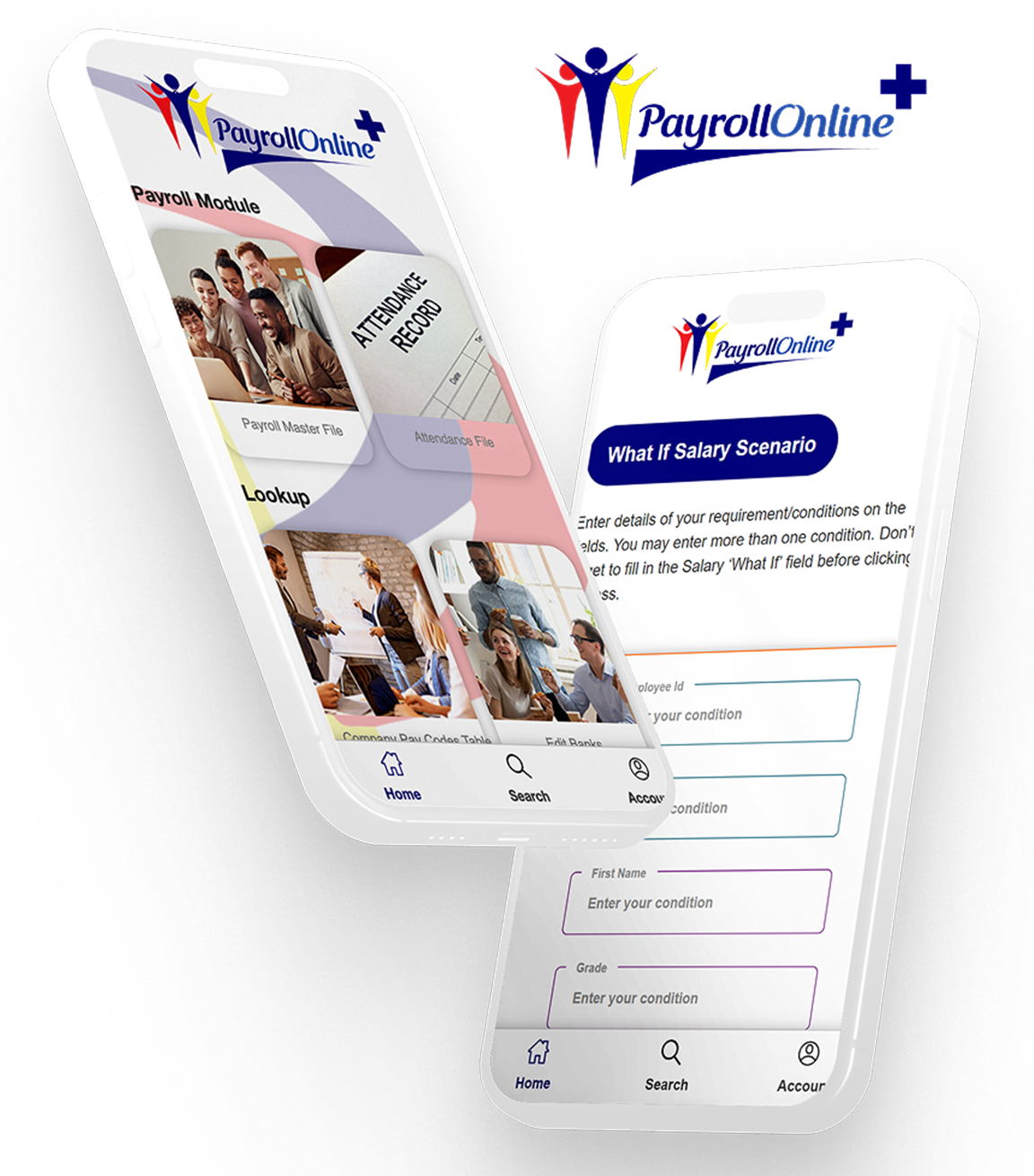
PayrollOnlinePlus: A Smarter Approach to Payroll Processing
PayrollOnlinePlus is a cloud-based payroll solution designed to help businesses simplify and centralize
payroll processing.
The platform supports multiple payroll types, including daily, weekly, bi-monthly, monthly, and
piece-rate payroll, making it suitable for businesses with different compensation and payroll
structures.
PayrollOnlinePlus can help businesses manage payroll calculations and generate reports in formats such
as PDF and Excel. It can also support integrations with other business processes, including banking and
salary crediting, depending on the organization's requirements and setup.
By moving payroll away from disconnected spreadsheets and into a centralized cloud-based platform,
businesses can create a more organized payroll workflow while reducing repetitive administrative work.
Payroll Automation Is About More Than Saving Time
The value of payroll automation goes beyond processing payroll faster.
A reliable payroll process can contribute to a better employee experience. Employees depend on their
employers to provide accurate salary information, payslips, and payroll records. When payroll operations
are organized and consistent, HR and payroll teams are better positioned to respond to employee concerns
quickly.
For management, centralized payroll information can also provide better visibility into payroll costs
and workforce-related data.
Ultimately, automation gives payroll teams more time to focus on accuracy, compliance, employee
concerns, and business needs instead of spending most of their time maintaining spreadsheets.
Build a More Efficient Payroll Process
As businesses grow, payroll should become more structured—not more complicated.
Moving from manual payroll to automation can help reduce repetitive work, organize payroll information,
support different payroll structures, and create a more scalable process for growing organizations.
For Philippine businesses looking for a payroll software solution, PayrollOnlinePlus provides a
cloud-based platform designed to simplify payroll processing and support the needs of modern businesses.
Build a more efficient payroll process with PayrollOnlinePlus.