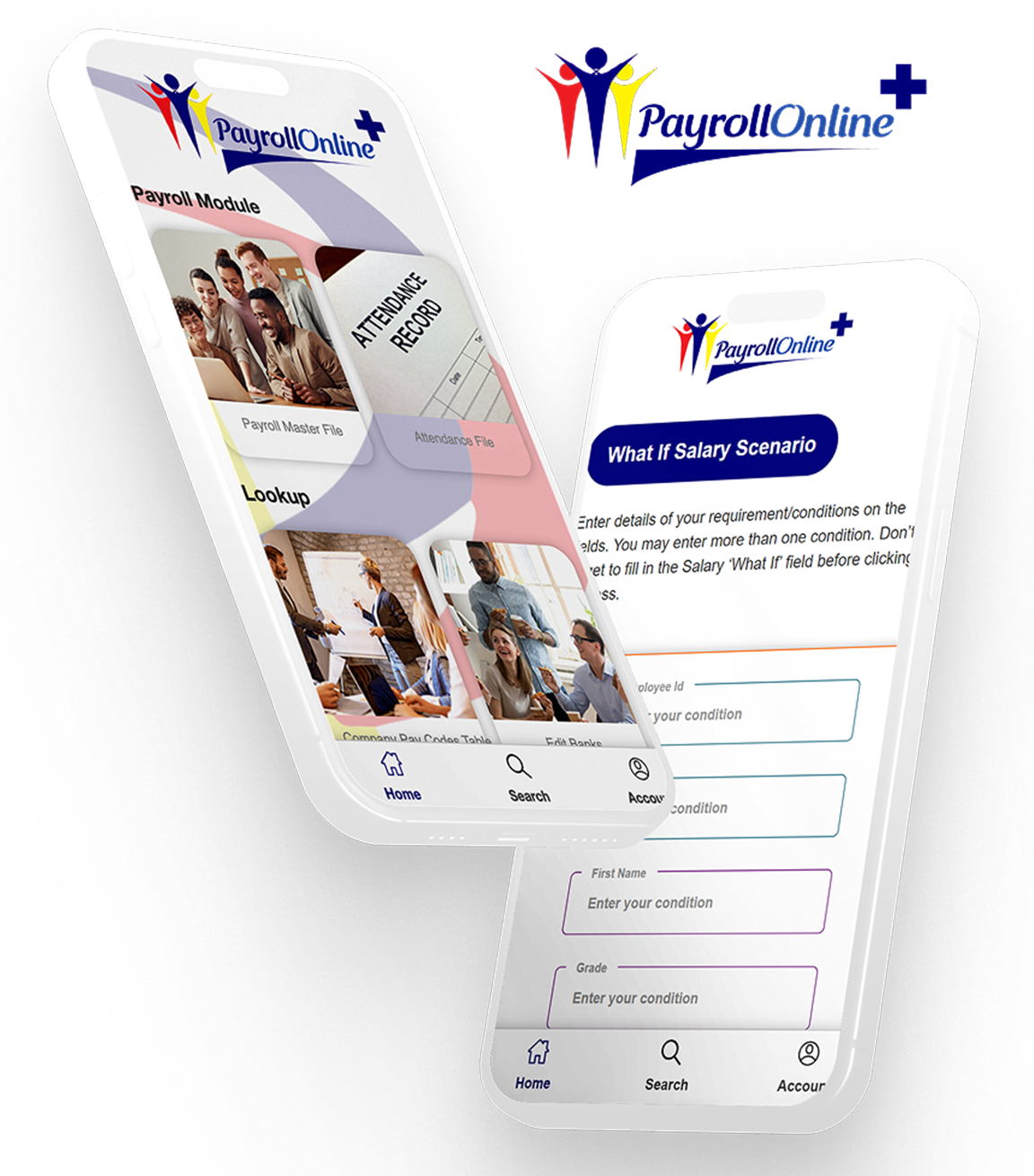
Managing payroll accurately and on time is essential for every business. As organizations
grow, however, traditional payroll processes can become increasingly difficult to manage.
Spreadsheets, manual calculations, paper-based records, and disconnected systems can create
unnecessary work while increasing the risk of errors.
Cloud payroll offers a modern alternative. By moving payroll management to a secure,
cloud-based platform, businesses can access payroll information more efficiently, automate
routine processes, and simplify the way employee compensation is managed.
For Philippine businesses, where payroll also involves compliance with government
requirements, employee records, deductions, and changing regulations, having a reliable
payroll system can make a significant difference.

What Is Cloud Payroll?
Cloud payroll is a payroll management system that operates through cloud technology rather
than relying
entirely on software installed on a single computer or local server.
Instead of keeping payroll information within one physical location, authorized users can securely
access the system online. Payroll data, employee information, calculations, reports, and other records
can be managed through a centralized platform.
This provides businesses with greater flexibility while reducing their dependence on manual and
paper-based payroll processes.
Why Businesses Are Moving to Cloud Payroll
Modern businesses need systems that can keep up with increasingly flexible workplaces. Employees may
work from different locations, while HR and finance teams may need access to payroll information without
being physically present in the office.
Cloud payroll makes this possible by allowing authorized users to access the system wherever they have a
reliable internet connection.
More importantly, cloud-based payroll can help businesses automate repetitive tasks. Instead of
repeatedly calculating payroll information manually, a digital system can handle many routine
calculations and processes according to configured payroll rules.
This can help reduce administrative workload and allow HR and finance teams to focus on more valuable
responsibilities.
Improving Payroll Accuracy
Payroll errors can have a direct impact on employees and the business. Incorrect calculations, missing
deductions, inaccurate records, or data-entry mistakes can result in delays and unnecessary corrections.
Cloud payroll systems can help reduce these risks by automating calculations and centralizing employee
information.
When payroll data is maintained within one system, businesses can reduce the need to transfer
information manually between different files or applications. Automated processes can also create
greater consistency in how payroll is prepared.
While no system eliminates the need for review, automation can make payroll management more organized
and less dependent on manual calculations.
Easier Access to Payroll Information
One of the major benefits of cloud payroll is accessibility.
Authorized HR and payroll personnel can access relevant information without needing to be tied to a
particular office computer. This can be particularly useful for businesses with multiple branches,
remote teams, or employees working across different locations.
Managers and authorized users can also access reports and payroll information more conveniently, helping
businesses make faster decisions when payroll data is needed.
Supporting Philippine Payroll Requirements
Payroll management in the Philippines involves more than simply calculating employee salaries.
Businesses may need to account for government-mandated contributions, withholding taxes, employee
benefits, leave information, and other payroll-related requirements.
A modern payroll platform can help organize these processes within a centralized system.
However, businesses should always ensure that their payroll software is properly configured and kept
updated to reflect applicable Philippine payroll rules and regulatory requirements.
Having technology that supports payroll compliance can reduce administrative complexity and help
businesses maintain more organized records.

Better Employee Payroll Experience
Cloud payroll can also improve the employee experience.
Depending on the system, employees may be able to access payslips, payroll information,
leave records, and other relevant details through an online portal.
Instead of repeatedly contacting HR for basic payroll documents, employees can have easier
access to information themselves.
This can reduce repetitive HR inquiries while giving employees greater visibility into their
own payroll information.
Payroll Data Security Matters
Payroll contains highly sensitive business and employee information. Salaries, personal details,
government information, and financial records all require appropriate protection.
Cloud payroll solutions should therefore include strong security measures, controlled user access,
authentication, data protection, and reliable backup processes.
Businesses should carefully evaluate the security capabilities of any payroll platform before
implementation.
A secure cloud payroll system can help organizations manage sensitive information while providing
authorized users with convenient access.
Cloud Payroll and Business Growth
A payroll process that works for a small team may become difficult to manage as a company expands.
More employees mean more payroll records, more transactions, more administrative work, and potentially
more complex organizational requirements.
Cloud payroll can provide a scalable foundation for growing businesses. Instead of continuously adding
spreadsheets and manual processes, companies can manage payroll through a centralized platform designed
to support larger employee populations and more structured workflows.
Choosing the Right Cloud Payroll Solution
Not every cloud payroll system is the same. Businesses should consider more than simply whether a
platform is accessible online.
Important factors include payroll automation, Philippine payroll requirements, reporting capabilities,
employee self-service, security, ease of use, scalability, integrations, and customer support.
The right solution should fit the organization's existing payroll workflow while providing opportunities
to improve efficiency.
Businesses should also consider whether the provider has experience with Philippine payroll operations
and understands the requirements that local employers face.
Modernizing Payroll With PayrollOnlinePlus
Cloud payroll represents a significant step toward modernizing payroll management. By combining
automation, accessibility, centralized information, and digital workflows, businesses can reduce
administrative complexity and create a more efficient payroll process.
PayrollOnlinePlus provides businesses with a modern approach to payroll management, helping
organizations streamline payroll processes while making important payroll information easier to manage
and access.
For businesses that are still relying heavily on spreadsheets, manual calculations, and disconnected
payroll processes, moving to a cloud-based payroll solution can be an important step toward greater
efficiency.
As businesses continue to adopt digital technology, payroll should not be left behind. A modern cloud
payroll system can help organizations manage one of their most important business functions with greater
convenience, consistency, and confidence.