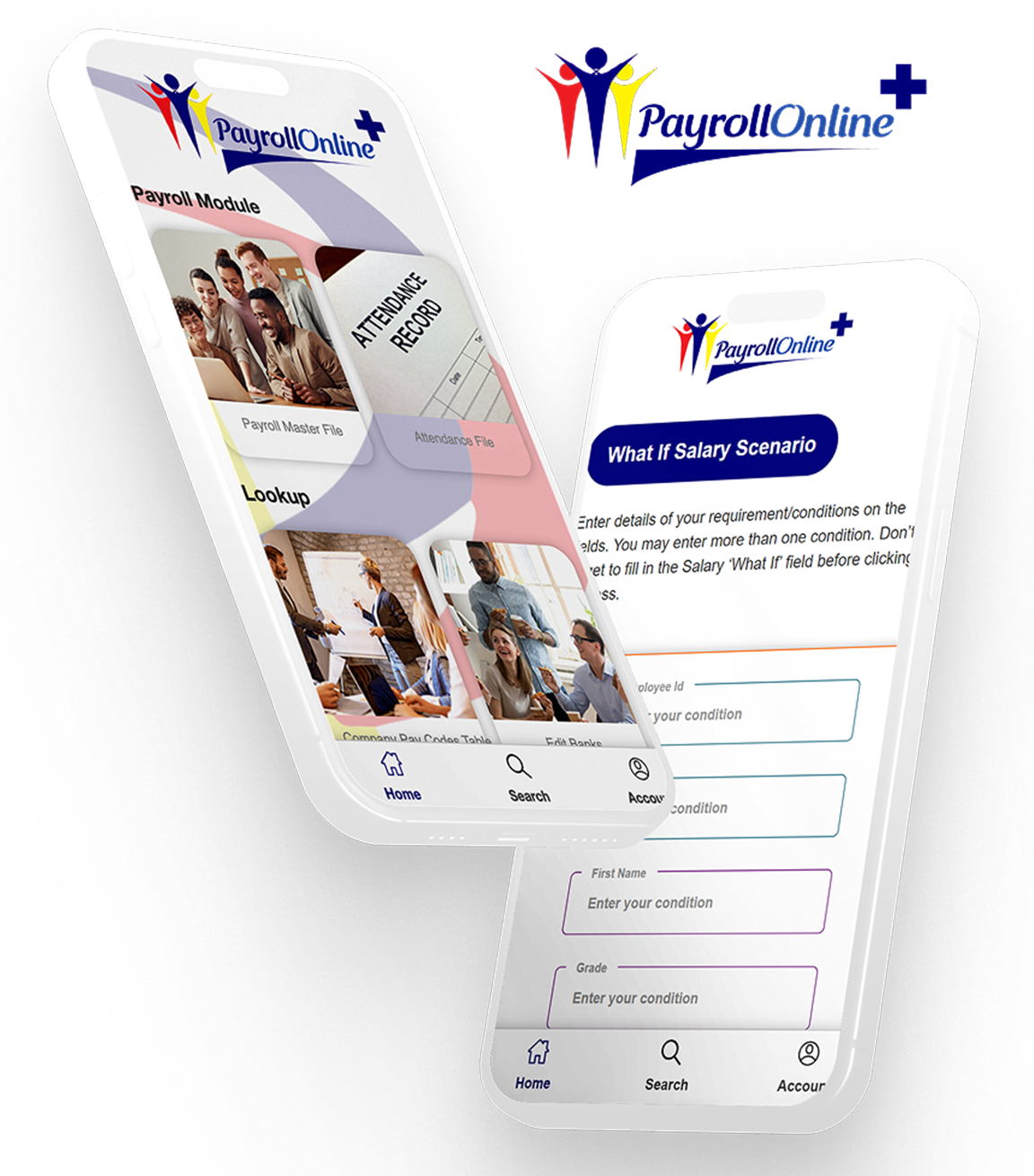
Managing payroll is more than simply calculating employee salaries. Businesses need to
handle attendance records, deductions, taxes, benefits, overtime, payslips, and
compliance—all while making sure employees are paid accurately and on time.
As companies grow, managing these tasks manually or through disconnected spreadsheets can
become time-consuming and prone to errors. This is where a modern payroll system can make a
significant difference.
A reliable payroll system like PayrollOnline+ helps businesses automate essential payroll
processes, reduce manual work, improve accuracy, and make payroll management more efficient.
But what features should businesses look for in a payroll system? Here are the key features
that can make payroll processing easier and more reliable.
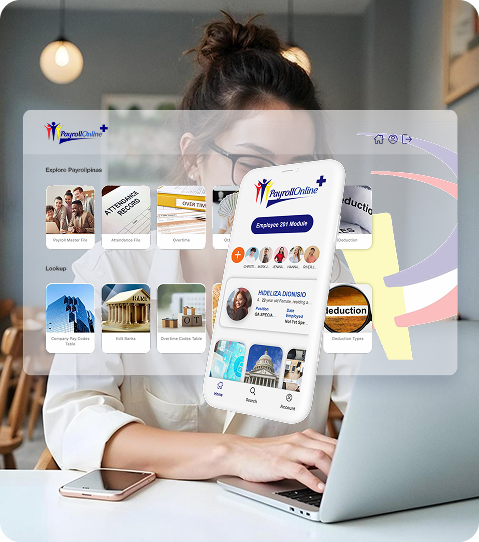
1. Automated Payroll Calculation
One of the most important features of a payroll system is automated salary calculation.
Instead of manually computing each employee's basic salary, overtime, undertime, absences, deductions,
and other adjustments, the system can process these calculations automatically based on configured
payroll rules.
This reduces repetitive work and helps minimize calculation errors. Payroll teams can spend less time
working on spreadsheets and more time reviewing payroll results and handling important employee
concerns.
2. Flexible Payroll Types
Businesses don't always follow the same payroll schedule. Some employees may be paid monthly, while
others may be paid weekly, daily, bi-monthly, or based on piece-rate arrangements.
A flexible payroll system should support different payroll types to accommodate various business
requirements.
PayrollOnline+ supports different payroll setups, allowing businesses to configure payroll based on
their operational needs. This flexibility makes the system suitable for businesses with different
employee compensation structures.
3. Attendance and Timekeeping Integration
Payroll is closely connected to employee attendance.
Late arrivals, absences, overtime, undertime, and working schedules can all affect an employee's final
pay. When attendance and payroll data are handled separately, payroll staff may need to manually
transfer information from one system to another.
A payroll system with timekeeping integration can help automate this process.
By connecting attendance records with payroll calculations, businesses can ensure that relevant
timekeeping data is properly reflected during payroll processing.
This can help reduce manual encoding and make payroll computation more consistent.
4. Overtime, Undertime, and Absence Calculations
Employee pay can change depending on the hours they actually work.
A modern payroll system should be capable of handling common payroll adjustments such as overtime,
undertime, absences, and other attendance-related factors.
Automating these calculations helps payroll teams avoid manually computing every adjustment for every
employee. It also provides a more consistent way of applying company payroll policies.
5. Government Compliance Support
Payroll processing in the Philippines involves various government contributions and tax requirements.
Businesses need to properly account for deductions and contributions such as BIR, SSS, PhilHealth, and
Pag-IBIG.
A payroll system designed for Philippine businesses should provide tools that help payroll teams manage
these requirements efficiently.
Having compliance-related calculations within the payroll process can reduce the need to perform
separate manual computations and help businesses prepare the necessary payroll reports..

6. Automated Deductions
Employees may have different deductions depending on their circumstances. These can include
government contributions, loans, advances, absences, or other company-authorized deductions.
A payroll system should allow businesses to configure and manage different deduction types.
Automating these deductions ensures that they are consistently applied according to the
company's payroll rules and reduces the possibility of calculation mistakes.
7. Digital Payslips
Employees increasingly expect quick and convenient access to their payroll information.
Instead of printing and distributing physical payslips, businesses can use digital payslips
that employees can access electronically.
Digital payslips can make payroll distribution faster while reducing paper use and
administrative work. Employees can also have easier access to their salary details when they
need them.
8. Payroll Reports and Analytics
Payroll teams need more than just a final payroll amount. They often need reports for management,
accounting, compliance, auditing, and internal analysis.
A payroll system should provide useful reports that can help businesses review payroll expenses,
employee compensation, deductions, contributions, and other payroll information.
With centralized reporting, authorized users can access the information they need without manually
combining data from multiple spreadsheets.
9. Bank Advice and Payroll Disbursement Support
Preparing salary payments can be another time-consuming part of payroll processing.
A payroll system can help businesses prepare bank advice and organize payroll information for salary
disbursement.
This can reduce repetitive encoding and make the transition from payroll calculation to employee payment
more organized.
10. Employee Self-Service
A modern payroll system can also give employees more control over their payroll information.
Through employee self-service features, employees may be able to access payslips and relevant payroll
information without constantly asking the HR or payroll department for assistance.
This reduces administrative inquiries and allows HR teams to focus on more important tasks.
11. Secure and Centralized Payroll Data
Payroll information contains sensitive employee and financial data. Businesses need to ensure that this
information is handled securely.
A centralized payroll system can help organize employee payroll records in one controlled environment.
Access permissions can also help ensure that only authorized users can view or manage sensitive payroll
information.
Security is especially important as businesses move away from paper-based records and disconnected
spreadsheets.
12. Scalable Payroll Management
A payroll solution should be able to grow with the business.
As employee numbers increase, payroll becomes more complex. A system that works for a small workforce
may become difficult to manage when the organization expands.
A scalable payroll system helps businesses manage increasing employee records and payroll transactions
without relying heavily on additional manual processes.
Why the Right Payroll System Matters
The right payroll system is not simply a tool for calculating salaries. It can become an important part
of a company's overall HR and financial operations.
By automating calculations, integrating timekeeping data, supporting government requirements, generating
reports, and providing digital payslips, a payroll system can help businesses improve payroll efficiency
while reducing repetitive administrative work.
For businesses in the Philippines, choosing a payroll solution that understands local payroll
requirements is especially important.
PayrollOnline+ provides a comprehensive payroll solution designed to help businesses simplify payroll
processing, manage different payroll types, automate calculations, handle government-related
requirements, and generate essential payroll reports.
Whether you're managing a growing company or looking to replace manual payroll processes, investing in
the right payroll system can help your organization save time, improve accuracy, and create a smoother
payroll experience for both administrators and employees.
Make Payroll Management Simpler with PayrollOnline+
Payroll doesn't have to be a complicated, time-consuming process. With the right technology, businesses
can automate repetitive tasks, centralize payroll information, and make payroll processing more
efficient.
If your business is still relying heavily on manual payroll calculations and spreadsheets, it may be
time to explore a more streamlined solution.
PayrollOnline+ helps businesses simplify payroll management with flexible payroll processing, automated
calculations, timekeeping integration, government compliance support, reporting, and digital payroll
tools—all in one system.
Ready to make payroll easier? Explore PayrollOnline+ and discover a smarter way to manage your company's
payroll.